
Dental implants are often described as a permanent solution for missing teeth.
That description is reassuring, but there is an important detail behind it: an implant does not become successful simply because it is placed in the jaw.
Its long-term performance depends on a combination of good diagnosis, healthy bone, precise placement, quality restoration, daily hygiene, and regular professional care.
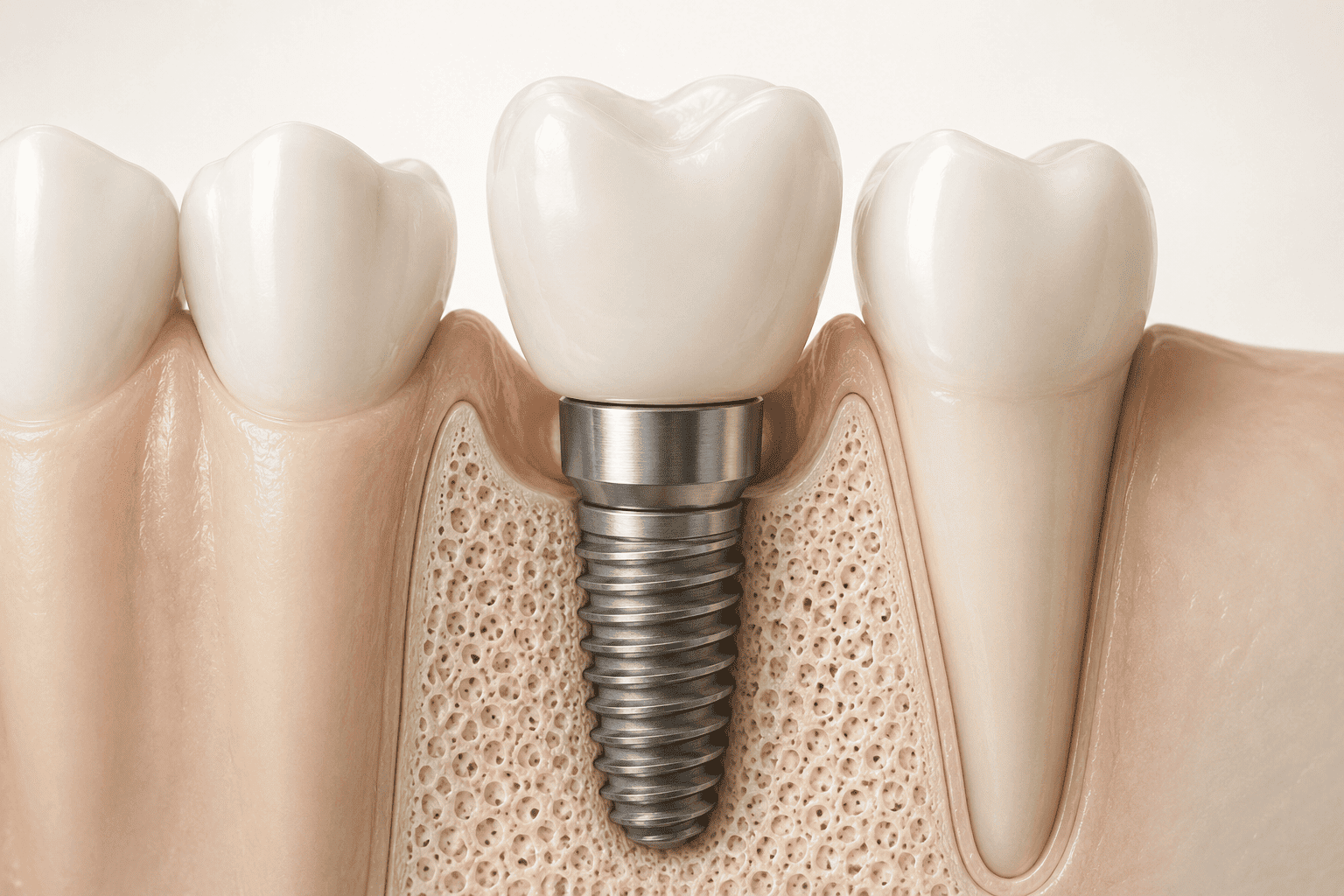
In other words, the implant itself is only one part of the story.
At Dr. Atamjeet’s Smile Care Centre, implant treatment begins with understanding the entire foundation around the missing tooth – not simply replacing the visible gap.
Here are seven factors that play a major role in how well a dental implant performs over the years.
1. Healthy and Adequate Jawbone
A dental implant needs something solid to hold onto.
The implant is placed inside the jawbone, where the bone gradually bonds with its surface through a process called osseointegration. This creates the stable foundation that allows the implant to function like a natural tooth root.
If there is insufficient bone, the implant may not receive the support it needs.
Bone loss can occur because of:
In some cases, bone grafting or another preparatory procedure may be recommended before implant placement.
👉 The best dental implant in Ludhiana is not simply about choosing an implant brand – it begins with making sure the foundation is right.
2. Healthy Gums Before Treatment
Healthy implants need healthy gums.
Active gum disease can increase the risk of infection around an implant and compromise the tissues that support it.
Before implant treatment, the dentist may evaluate:
If gum disease is present, it should usually be stabilised before implant placement.
Think of it this way: you would not build a new structure on unstable ground. Implant dentistry follows the same principle.
3. Careful Planning and Accurate Placement
Dental implants must be positioned with precision.
The dentist needs to consider:
Modern imaging and digital planning allow dentists to study these structures before treatment begins.
Correct positioning matters because even a high-quality implant can develop problems if it is placed at the wrong angle or in an unsuitable location.
👉 Good implant dentistry is less about “putting in a screw” and more about planning where the future tooth needs to function for years.
4. The Quality of the Final Crown Matters Too
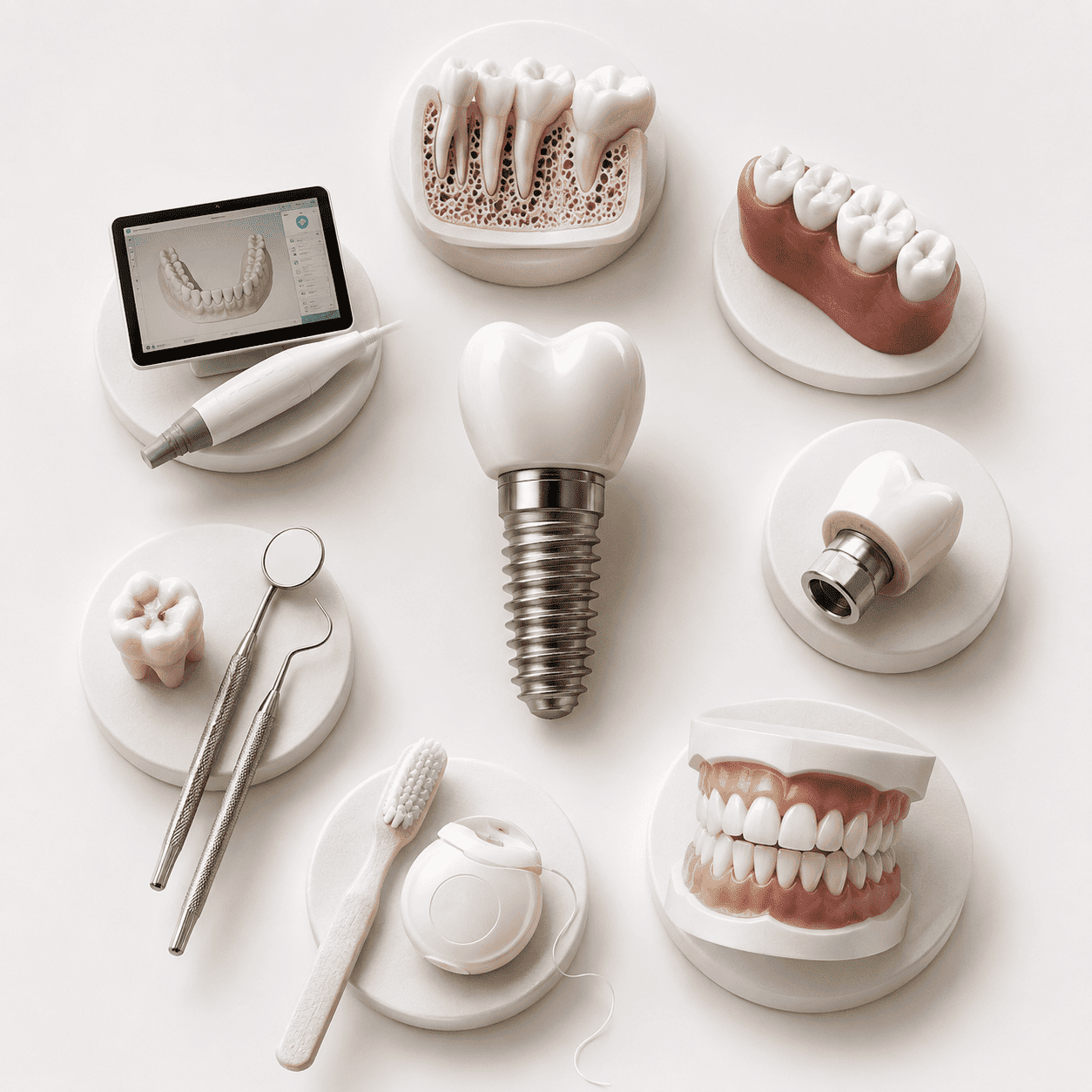
Patients often focus entirely on the implant placed inside the bone.
But the visible crown above it is equally important.
A well-designed crown should:
If the crown is too high or the bite is poorly balanced, the implant may experience unnecessary stress.
Successful tooth replacement is therefore a combination of surgery and restorative dentistry – not one or the other.
5. Your Bite and Chewing Forces
Dental implants are strong, but they are not indestructible.
Patients who grind or clench their teeth can place significantly more force on implants and restorations, particularly during sleep.
Signs of excessive bite forces may include:
A dentist may recommend a night guard or bite adjustment when necessary.
The goal is not only to place the implant but to make sure it can handle your everyday chewing forces comfortably.
6. Daily Cleaning Around the Implant
Dental implants cannot develop cavities, but the tissues around them can still become inflamed or infected.
Plaque buildup around an implant may lead to conditions such as peri-implant inflammation and, in more advanced cases, bone loss.
Good implant care includes:
Implants should be treated much like natural teeth when it comes to hygiene.
👉 Even the best dental implant in Ludhiana needs good home care if it is expected to perform well for many years.
7. Regular Dental Reviews After Treatment
Implant treatment does not end when the crown is fitted.
Regular dental visits allow the dentist to check:
Small changes are easier to manage when detected early.
Professional cleaning also helps reach areas around implants that may be difficult to maintain at home.
Long-term implant success is a partnership between good clinical treatment and good patient maintenance.
What Can Reduce the Life of a Dental Implant?
Certain factors may increase the risk of complications, including:
This does not automatically mean every patient with these factors is unsuitable for treatment. It means careful evaluation and personalised planning become even more important.
How Long Can Dental Implants Last?
There is no single lifespan that applies to every patient.
A well-planned implant that integrates successfully and is properly maintained can function for many years. The crown attached to it may require maintenance or replacement over time because it experiences everyday chewing wear.
The important distinction is that implant longevity depends on the entire system:
bone + gums + implant + crown + bite + hygiene + maintenance.
That is why implant treatment should always be planned as a long-term dental solution rather than a one-time procedure.
Successful Implants Start Before the Implant Is Placed
The strongest implant result is usually built before surgery begins – with accurate diagnosis, realistic treatment planning, and careful assessment of the bone, gums, bite, and overall oral health.
At Dr. Atamjeet’s Smile Care Centre, patients considering tooth replacement are evaluated individually so the treatment can be planned around their specific needs rather than following a one-size-fits-all approach.
If you are researching the best dental implant in Ludhiana, look beyond the implant itself. Ask about planning, bone health, gum care, crown design, aftercare, and long-term monitoring.
Those are the details that help turn an implant into a reliable new tooth.
Dr. Atamjeet’s Smile Care Centre
www.ludhianadentalclinic.com
Book an implant consultation to understand your bone health, replacement options, and the treatment approach best suited to your smile.